
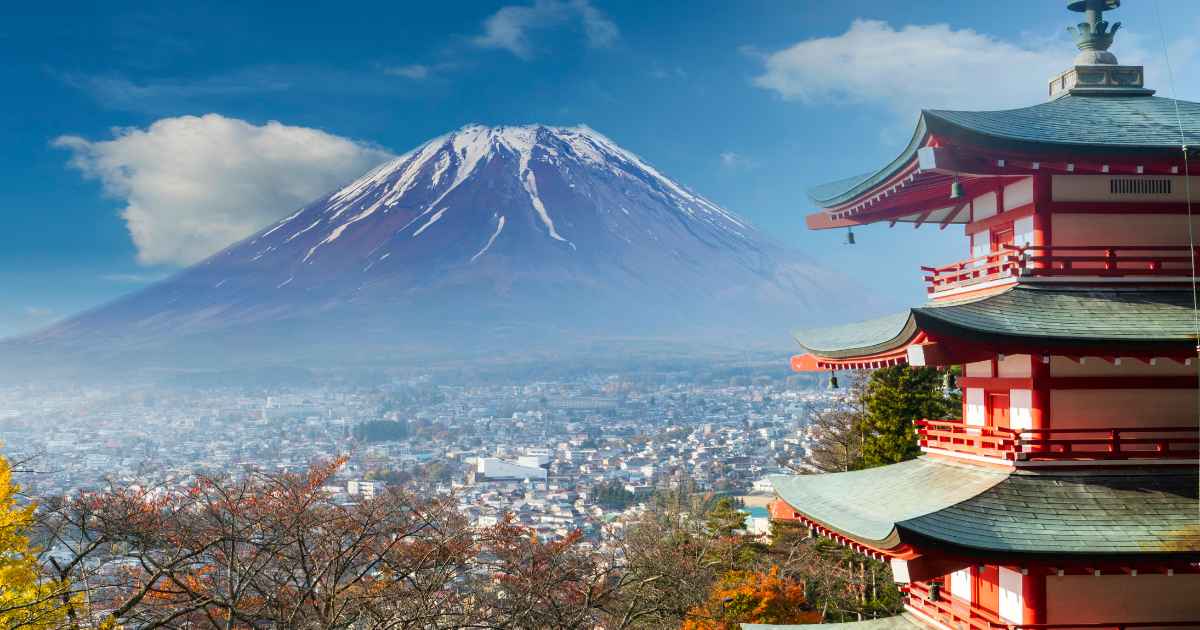
Japan women solo trip safety is generally considered strong, with Japan known for low crime and reliable public transport, but women should still use normal precautions, secure valuables, follow local etiquette, prepare for earthquakes and winter weather, and save emergency numbers such as 110 for police and 119 for ambulance/fire. For Indian women seeking extra support, Divas Sojourn’s women-only Japan trip offers a tour leader, private transfers, 4-star hotels, and a planned Tokyo–Fuji–Hakone–Nara–Kyoto–Osaka–Kobe itinerary.


Japan women solo trip safety is one of the most important questions women ask before booking their first trip to Japan. Is Japan comfortable for a woman travelling alone? What should you know about Japanese trains, nightlife, hotels, earthquakes, winter weather, food, emergency numbers, and language barriers? Most importantly, can you enjoy Japan without constantly worrying about logistics?
Japan is generally considered a very safe destination. The Japan National Tourism Organization (JNTO) states that crime rates are low and public transportation can be used safely, while also stressing that travellers should continue to take basic precautions. JNTO specifically notes that Japan’s safety extends to female travellers and that women-only train cars are available on some major-city trains during rush hours.
- South Korea Women Solo Trip Safety with Divas Sojourn
- Japan Women Solo Trip Safety with Divas Sojourn
- South Korea Women Travel Package Cost by Divas Sojourn
- Japan Women Travel Package Cost by Divas Sojourn
- South Korea Women Solo Trip First Time with Divas Sojourn
But Japan women solo trip safety is about more than crime.
Safety also means knowing what to do when you miss a meeting point, understanding earthquake precautions, dressing correctly for winter, keeping your passport secure, knowing emergency numbers, and having someone with you who understands the itinerary.
For women travelling from India, a structured women-only group trip can therefore be a practical way to experience Japan while retaining the excitement of international travel.
Divas Sojourn’s currently published Japan women-only departure is scheduled for 24 December 2026 to 1 January 2027, covering 08 nights / 09 days across Tokyo, Mount Fuji, Hakone, Nara, Kyoto, Osaka and Kobe. The listed package starts at ₹3,60,000 per person, with an early-bird price of ₹3,50,000 per person for the first five bookings, including flights from Delhi as currently stated on the package page.
Japan Women Solo Trip Safety: What Every First-Time Woman Traveller Should Know
There is a difference between travelling alone and feeling alone while travelling.
A woman can board a flight to Japan by herself and have a wonderful experience. Yet the biggest challenge for a first-time traveller may not be personal safety at all. It may be navigating unfamiliar stations, understanding the itinerary, carrying luggage between destinations, finding a restaurant that suits her diet, dealing with an unexpected delay, or simply wondering whether she is in the right place.
That is why Japan women solo trip safety deserves a broader conversation.
Japan is widely regarded as a safe destination, and JNTO says female travellers can generally enjoy the country with confidence while still taking ordinary precautions.
For an Indian woman considering her first Japan holiday, that combination of relatively low everyday crime and highly organised infrastructure can make the destination easier to approach.
A women-only group trip adds another layer of practical support.
Instead of solving every transportation and itinerary issue alone, you can travel with other women, a scheduled itinerary, planned transfers and a Divas Sojourn tour leader.
That is the central idea behind Japan women solo trip safety: preparation, awareness and good travel organisation—not the promise that travel can ever be completely risk-free.
Is Japan Safe for Solo Women Travellers?
According to JNTO, Japan is considered one of the safest countries in the world, with low crime rates and safe public transportation. JNTO’s dedicated solo-travel guidance also notes that many female visitors report feeling comfortable walking around at night, while recommending basic caution and awareness.
So, when women search for Japan women solo trip safety, the answer is not simply “yes.”
A more useful answer is:
Japan has a generally safe travel environment, but women should still use normal precautions, especially around crowded areas, nightlife, personal belongings, unfamiliar locations, and natural disasters.
That distinction matters.
No destination can guarantee that nothing unexpected will happen.
The purpose of travel safety preparation is to make sure that an unexpected situation does not become a major problem.
Why a Women-Only Japan Trip Can Feel More Comfortable
A women-only group tour does not eliminate personal responsibility, but it can simplify many parts of the journey.
Divas Sojourn’s published Japan itinerary includes a tour leader, private tours and transfers, selected 4-star accommodation, train travel with station transfers, sightseeing, and other listed inclusions.
That can matter particularly for a woman who has never been to Japan.
Imagine arriving in Tokyo after a long international flight.
Instead of immediately trying to figure out several unfamiliar transport connections, you have a planned transfer and a group itinerary.
Later, when moving toward Kyoto, the group travels by Shinkansen rather than leaving every train decision to each traveller individually.
For someone researching Japan women solo trip safety, this is an important distinction between “I am travelling independently” and “I am travelling as part of a structured women-only journey.”
You are still experiencing Japan.
You simply have more logistical support around you.
Japan Women Solo Trip Safety: The 10 Safety Habits Every Woman Should Follow
1. Keep Your Passport Secure
Your passport is your most important travel document.
Carry it according to the group’s instructions and keep a secure digital copy of the identification and visa pages separately.
Avoid leaving your passport casually in a backpack that is opened repeatedly throughout the day.
Also keep your important travel documents accessible in a secure cloud account or another protected location.
The Embassy of India in Tokyo advises Indian nationals in Japan to carry proof of identity such as a passport and publishes 24/7 emergency contact information for Indian nationals in distress.
2. Save Japan’s Emergency Numbers
Before leaving India, save the key numbers in your phone.
Police: 110
Fire/Ambulance: 119
Japan Visitor Hotline: 050-3816-2787
From overseas, the Japan Visitor Hotline can be reached at +81-50-3816-2787.
JNTO operates the Japan Visitor Hotline 24 hours a day, 365 days a year and provides support in English, Chinese and Korean, including assistance relating to accidents, illness and natural disasters.
For Indian nationals in distress, the Embassy of India in Tokyo currently lists a 24/7 emergency helpline: +81-80-3301-5242.
Having these numbers saved before your flight is a small step that can make a major difference in a stressful moment.
3. Understand How Japanese Public Transport Works
Japan’s transport system is one of the reasons the country is attractive to solo travellers.
JNTO says trains and buses are safe, punctual and clearly priced, while English signage is generally available at major stations and public facilities.
Even so, major stations can feel confusing when you first arrive.
There can be multiple exits, platforms, lines and underground connections.
For a solo traveller, rushing through a station while checking a phone and carrying luggage is exactly when mistakes happen.
A few simple habits help:
Stop in a safe place before studying the map.
Confirm the station name rather than assuming.
Keep your phone charged.
Know the next meeting point before leaving the hotel.
Ask station staff for assistance when necessary.
For this reason, the structured transport arrangements included in the Divas Sojourn itinerary can be particularly useful to first-time travellers. The published itinerary includes private transfers and train travel with station transfers.
4. Be Sensible Around Crowded Trains
JNTO specifically notes that some trains in major cities offer female-only cars during rush hours, giving women another option for more comfortable travel.
You should nevertheless remain aware of your surroundings.
Keep bags closed.
Avoid leaving your phone or wallet in an open coat pocket.
Do not leave valuables unattended at cafés, stations or sightseeing points.
And if something makes you uncomfortable, move away and seek assistance from station staff or police.
Japan has koban, or neighbourhood police boxes, which JNTO identifies as useful places to seek assistance.
5. Take Extra Care With Late-Night Plans
Japan may have a strong reputation among solo travellers for being comfortable to navigate, but Japan women solo trip safety should never be interpreted as “anything goes after midnight.”
Your approach to nightlife should still be sensible.
Stay aware of your surroundings.
Avoid accepting drinks from strangers.
Do not leave your belongings unattended.
Use legitimate transportation.
Keep your hotel address accessible.
Let your group leader or travel companions know about any independent late-night plans.
For a women-only group trip, there is an additional practical advantage: you can enjoy the destination with other women rather than having to plan every evening independently.
6. Respect Japanese Rules and Etiquette
Safety is not only physical.
Understanding local customs prevents uncomfortable situations.
JNTO says people in Japan generally value consideration for others and quiet behaviour in public. On trains and buses, loud conversations and phone calls are discouraged; queuing is important, and some places require shoes to be removed.
For Indian women visiting Japan for the first time, a few simple habits are enough.
Speak quietly on public transport.
Queue properly.
Follow photography signs.
Do not touch objects in temples or shrines unless permitted.
Observe instructions about shoes.
Carry rubbish until you find an appropriate disposal point.
These are simple actions, but they help you blend comfortably into the local environment.
7. Plan for Earthquakes
This is one of the most important aspects of Japan women solo trip safety that first-time visitors should understand.
Japan experiences earthquakes, and JNTO advises travellers to know what to do if one occurs. Earthquakes can happen without warning. JNTO recommends following hotel or staff instructions, knowing evacuation routes and keeping phones and devices charged. If a major earthquake occurs near the coast, travellers should move toward higher ground in case of a tsunami.
There is no need to spend your holiday worrying about earthquakes.
Instead, use practical preparation.
When checking into your hotel, notice the evacuation information.
Keep your phone charged.
Pay attention to official alerts.
Follow staff instructions.
Do not rush outside during shaking unless instructed to evacuate.
For emergency and disaster updates, JNTO’s Safe Travel Information service provides information about significant earthquakes, tsunami warnings/advisories, and volcanic alerts.
8. Know What to Do Near the Coast During a Tsunami Warning
A tsunami is a different situation from an ordinary earthquake.
JNTO states that when a tsunami warning or advisory is issued, travellers should evacuate to higher ground or designated tsunami shelters and stay away from waterfronts until authorities lift the warning.
This becomes particularly relevant when visiting coastal areas such as Osaka or Kobe.
The safest response is not to panic or attempt to watch the phenomenon.
Follow official instructions and your tour leader’s directions.
9. Dress for Winter
For this particular Divas Sojourn departure, Japan women solo trip safety also means winter-weather preparation.
The trip runs from 24 December 2026 to 1 January 2027.
JNTO describes December in Japan as ranging from cool autumn-like weather to proper winter cold. It also notes that Kyoto can feel surprisingly cold and that the New Year holiday period is busy, with some businesses closing for several days.
This affects safety because cold weather can turn a comfortable sightseeing day into an exhausting one if you are poorly dressed.
Your Japan winter packing list should include:
A proper winter jacket
Thermal inner layers
Warm socks
Gloves
A scarf
Comfortable walking shoes
Warm sleepwear
Lip balm and moisturiser
A compact umbrella or rain protection
Universal travel adapter
You may also encounter cold conditions around the Mount Fuji and Hakone region.
Winter weather can create beautiful clear views of Fuji, but mountain and outdoor conditions can also be colder than central Tokyo. JNTO specifically notes that crisp winter conditions can provide excellent distant views of Mount Fuji.
10. Wear the Right Shoes
One of the most underestimated aspects of Japan women solo trip safety is footwear.
Your itinerary involves temples, streets, shopping areas, sightseeing attractions, and walking between locations.
A fashionable but uncomfortable pair of shoes can quickly become a problem.
Choose footwear that has:
- Comfortable cushioning
- Good grip
- Warm socks compatibility
- Enough room for walking
- Good support
Do not wait until the airport to discover that your new shoes hurt.
Wear them before departure.
Japan Women Solo Trip Safety and the Divas Sojourn Itinerary
The safety experience also depends on where you are travelling.
The Divas Sojourn itinerary covers several different environments.
Tokyo
Tokyo is the largest city on the itinerary and combines busy commercial districts, historic areas, public transportation, and entertainment.
Your itinerary includes the Imperial Palace photo stop, Asakusa Sensoji Temple, Nakamise Street, Sumida River Cruise and Tokyo Disneyland.
The key safety habit here is situational awareness in crowded places.
Keep your group meeting point saved.
Mount Fuji and Hakone
The Mount Fuji and Hakone day brings outdoor and scenic experiences.
The itinerary includes Oshino Hakkai Village, Owakudani Volcanic Valley, Hakone Ropeway, and the Lake Ashi Pirate Cruise.
Follow the group’s timings and remain with the designated group during sightseeing.
Importantly, this is not a Mt. Fuji summit-climbing itinerary.
JNTO’s climbing guidance notes that Mt. Fuji climbing is seasonal and that the trails generally close around September, subject to conditions.
That is relevant because women sometimes see “Mount Fuji” in a Japan package and assume mountain climbing is involved.
The Divas Sojourn itinerary is focused on sightseeing around Fuji and Hakone, not a winter summit climb.
Nara
Nara brings a quieter cultural experience.
The package includes:
Nara Park
Deer experience
Todaiji Temple
Kasuga Taisha Shrine
Here, common-sense safety mainly means staying aware around animals, respecting temple grounds, and keeping personal belongings secure.
Kyoto
Kyoto is one of the most culturally important destinations in the itinerary.
The trip includes:
Arashiyama Bamboo Forest
Kinkaku-ji
Fushimi Inari Shrine
Gion District
Kyoto requires particular attention to respectful behaviour because you are visiting historic temples, shrines, and traditional neighbourhoods.
JNTO also notes that visitors should observe appropriate clothing and basic respect when visiting temples and shrines.
Osaka
Osaka is the final major base of the trip.
The itinerary includes Umeda Sky Building Observatory and Dotonbori Street, followed by a New Year celebration.
Dotonbori can be lively and crowded, so keep your phone, wallet, and passport secure and agree on a group meeting point before entering a busy area.
Kobe
The Kobe excursion includes:
Mosaic Ferris Wheel
Port of Kobe
Kitano Ijinkan District
Earthquake Memorial Museum
Kobe also provides an opportunity to learn about earthquake history and resilience through the Earthquake Memorial Museum.
Is Japan Safe for Indian Women Who Don’t Speak Japanese?
Language anxiety is one of the most common concerns behind searches for Japan women solo trip safety.
The good news is that major tourist infrastructure is relatively accessible.
JNTO states that English is generally understood in airports, hotels, tourist areas, and major transportation systems, and that station and public-facility signs are often written in English. However, English may be less commonly understood in rural locations and small local shops. JNTO recommends using a translation app when necessary.
So you do not need to learn Japanese fluently before travelling.
Learning a few phrases can still be useful:
Arigato gozaimasu — Thank you.
Sumimasen — Excuse me / Sorry.
Konnichiwa — Hello.
Onegaishimasu — Please.
Being polite goes a long way.
Food Safety and Dietary Planning for Indian Women
Food is a major part of any Japan holiday.
However, women with vegetarian, Jain, halal, allergy-related, or other dietary requirements should communicate their needs before departure.
JNTO notes that vegetarian and halal options can be limited depending on the region.
For this Divas Sojourn trip, lunches are not included, with the published itinerary providing convenient stops where travellers can purchase lunch directly.
That means you have some flexibility, but you should not assume that every restaurant will automatically meet a specific dietary requirement.
Before departure, tell the travel team clearly about your needs.
Carry a translated dietary card where useful.
Keep simple snacks with you for long sightseeing days.
And check ingredients rather than relying only on appearance.
Money Safety in Japan
Japan uses the Japanese yen.
Cards are widely useful, but JNTO notes that some smaller businesses and other locations may still require cash.
For Japan women solo trip safety, divide your money rather than keeping everything in a single wallet.
Carry a small daily amount.
Keep your primary cards securely stored.
Maintain a backup payment method separately.
Do not display large amounts of cash in public.
Before your trip, notify your bank that you will be travelling internationally where necessary.
Phone, Internet and Battery Safety
Your phone becomes a travel-safety tool in Japan.
You need it for:
Navigation
Translation
Train information
Hotel information
Emergency calls
Group communication
Boarding passes
Digital documents
That means a dead battery is more than an inconvenience.
Carry a power bank.
Charge your phone every night.
Consider mobile data through your usual international roaming plan, eSIM or another suitable travel option.
Also save screenshots of important information in case mobile connectivity temporarily becomes unavailable.
What Should a Woman Do If She Gets Lost?
This is surprisingly common even in highly organised destinations.
Do not panic.
Stop walking.
Move to a well-lit public location such as a station, hotel, convenience store or staffed facility.
Check the map.
Contact your group leader.
Show your hotel or destination name to staff.
JNTO advises travellers who need assistance to use local police boxes or ask for help, and its visitor hotline is available 24/7.
A women-only tour provides another useful safety mechanism because the group can have clearly defined meeting points and transport arrangements.
What Should You Do if You Lose Your Passport?
Act quickly.
Contact the relevant authorities and your travel operator.
The Embassy of India in Tokyo provides emergency assistance information for Indian nationals in distress and publishes separate contact channels for consular services.
Before leaving India, keep:
A photocopy of your passport.
A secure digital copy.
Visa information.
Flight booking details.
Travel insurance information.
Embassy contacts.
Do not keep all documentation in one physical bag.
Japan Women Solo Trip Safety During New Year
This particular Divas Sojourn departure is unusual because it takes place during the Christmas-New Year period.
You will be in Japan from 24 December 2026 to 1 January 2027, with Christmas celebrations in Tokyo and a New Year celebration in Osaka.
JNTO describes the New Year holiday period as one of Japan’s busiest domestic travel periods, with crowded transportation and accommodation and some businesses closing for several days.
This makes planning especially important.
For safety and convenience:
Stay close to your group during major celebrations.
Agree on the regrouping point.
Keep your phone charged.
Carry identification.
Wear comfortable shoes.
Dress warmly.
Don’t assume every restaurant or shop will be open on New Year’s Day.
Follow your tour leader’s instructions for timing and transportation.
The Complete Divas Sojourn Japan Women-Only Trip
For women researching Japan women solo trip safety, it helps to know exactly what they are travelling on.
The current Divas Sojourn package is:
Duration
08 nights / 09 days
Dates
24 December 2026 – 1 January 2027
Package price
₹3,60,000 per person
Current early-bird price
₹3,50,000 per person for the first five bookings, as published
Departure
Flights from Delhi are included as stated
Accommodation
4-star hotels
Hotel distribution
Tokyo – 4 nights
Kyoto – 2 nights
Osaka – 2 nights
Destinations
Tokyo, Mt. Fuji, Hakone, Nara, Kyoto, Osaka and Kobe
Major experiences
Tokyo sightseeing
Tokyo Disneyland
Mt. Fuji and Hakone
Shinkansen to Kyoto
Nara Park and temples
Kyoto cultural sightseeing
Osaka
Kobe
Christmas celebration in Tokyo
New Year celebration in Osaka
Listed support/inclusions
Divas Sojourn tour leader
Private tours and transfers
Train tickets with station transfers
Sightseeing entrances/fees as mentioned
Visa and insurance for Indian passport holders
Transport based on group size
Water in the coach as specified
What Is Not Included in This Japan Women-Only Trip?
Being clear about exclusions is part of good travel planning.
The published package excludes:
Lunches
Tipping
Portage
Heaters
Personal mineral water requirements
Telephone charges
Laundry
Personal expenses
Certain camera/video fees
Unlisted activities
Extra meals
Other expenses not specifically mentioned
The package also states that additional costs may arise from circumstances including natural calamities, road blockages, strikes, political disturbances, or increases in taxes or fuel prices before departure.
Read the latest booking terms before paying.
What Makes Divas Sojourn Useful for Japan Women Solo Trip Safety?
For this particular journey, the safety value comes from organisation, not from promising that nothing can go wrong.
The published package provides a Divas Sojourn tour leader, private tours and transfers, planned accommodation, group transportation, and train arrangements.
This can reduce several common first-time travel problems:
Getting confused about transfers.
Managing luggage between cities.
Finding unfamiliar hotels.
Trying to coordinate multiple train connections alone.
Missing an important sightseeing transfer.
Trying to arrange every activity independently.
And perhaps most importantly, it means you are travelling alongside other women.
For a woman whose biggest barrier is, “I want to see Japan, but I don’t want to do the entire trip alone,” that structure can be meaningful.
Why Book the Divas Sojourn Japan Women-Only Trip?
Divas Sojourn’s Japan offering is specifically positioned for women travellers, including solo women and first-time international travellers. The published itinerary combines a women-only format with a tour leader, private transfers, and a multi-city Japanese itinerary.
The trip also gives you a broad experience of Japan rather than focusing only on one city.
You get the modern excitement of Tokyo.
The scenery of Mount Fuji.
The landscapes of Hakone.
The cultural atmosphere of Nara and Kyoto.
The energy of Osaka.
The waterfront character of Kobe.
And Christmas-New Year celebrations along the way.
For someone searching for Japan women solo trip safety, the package offers a practical balance: you can still experience the excitement of international travel without independently coordinating every component.
Japan Women Solo Trip Safety Checklist Before You Fly
Documents
Passport
Japan visa
Flight tickets
Insurance details
Hotel information
Emergency contacts
Digital copies of important documents
Money
Japanese yen
International card
Backup payment method
Emergency cash
Technology
Charged phone
Power bank
Travel adapter
Translation app
Maps
Roaming/eSIM/data
Clothing
Winter jacket
Thermals
Gloves
Scarf
Warm socks
Comfortable shoes
Personal safety
Keep valuables secure.
Stay aware of meeting points.
Do not share sensitive personal information with strangers.
Avoid risky late-night plans.
Follow instructions during emergencies.
Keep your group leader’s contact information readily available.
Japan Women Solo Trip Safety: What You Should Not Worry About Too Much
Safety preparation should make you more confident, not more frightened.
You do not need to spend your Japan holiday constantly worrying about hypothetical problems.
Japan has a low-crime environment, an extensive transport network and tourist-support infrastructure. JNTO provides a 24-hour visitor hotline, while police boxes are available in neighbourhoods.
The better approach is simple:
Prepare before the trip. Stay aware during the trip. Follow local guidance. Ask for help when needed. Enjoy Japan.
That is a much healthier approach to Japan women solo trip safety than travelling with unnecessary fear.
Is a Women-Only Group Better Than Travelling Completely Alone?
There is no universal answer because different women want different travel styles.
Some women love complete independence.
Others want the freedom to travel but prefer organised transportation, a group environment and a tour leader.
A women-only trip sits somewhere between those experiences.
You are travelling internationally and seeing the destination for yourself, but you are not managing every logistical detail independently.
For this Divas Sojourn departure, the women-only format, planned transfers, 4-star accommodation and tour-leader support are all part of the published package.
For a first-time traveller, those elements can make the trip easier to navigate.
Final Word: Japan Women Solo Trip Safety Is About Confidence Through Preparation
The real question behind Japan women solo trip safety is often not “Is Japan perfectly safe?”
No destination can promise that.
The more useful question is:
“Can I prepare properly and travel through Japan with the right support?”
For most women, the answer begins with knowing the local environment, understanding emergency procedures, respecting local customs, dressing for the season, securing personal documents and staying connected.
Japan’s official tourism organisation describes the country as very safe overall and provides extensive safety guidance, emergency numbers and disaster information for international visitors.
And for Indian women who would rather not tackle the country’s transport and itinerary completely alone, a women-only group departure adds another layer of organisation.
Divas Sojourn’s current Japan journey runs 24 December 2026 to 1 January 2027, with 08 nights / 09 days of Tokyo, Mount Fuji, Hakone, Nara, Kyoto, Osaka and Kobe, plus Christmas and New Year celebrations. The package currently starts at ₹3,60,000 per person, with the early-bird offer currently listed at ₹3,50,000 for the first five bookings, including flights from Delhi as stated on the package page.
URGENT CTA — YOUR JAPAN JOURNEY STARTS SOON
Do not keep postponing Japan because you are waiting for the perfect travel companion.
The next step is simple: check the live availability, confirm the latest package inclusions, and secure your place with Divas Sojourn.
Japan Women-Only Trip
24 December 2026 – 1 January 2027
08 Nights / 09 Days
Tokyo • Mt. Fuji • Hakone • Nara • Kyoto • Osaka • Kobe
Call: +91 99900 22835
Email: contact@divassojourn.com
FAQ: Japan Women Solo Trip Safety
1. Is Japan safe for solo female travellers?
JNTO describes Japan as one of the safest countries in the world, with low crime rates and safe public transportation, while still advising travellers to use normal precautions.
2. Is Japan safe for Indian women travelling alone?
Japan has a generally safe travel environment for international visitors, including women. Indian women should still follow ordinary precautions, carry identification, secure valuables, follow local rules and keep emergency contacts available.
3. What is the biggest concern regarding Japan women solo trip safety?
For first-time travellers, safety concerns go beyond crime. Navigation, crowded stations, winter weather, natural disasters, language barriers, and losing important documents are all worth preparing for.
4. What is the Japanese police emergency number?
For urgent police assistance, dial 110.
5. What number should I call for an ambulance or fire emergency?
Dial 119 for fire or ambulance emergencies.
6. Is there a tourist helpline in Japan?
Yes. JNTO’s Japan Visitor Hotline operates 24 hours a day, 365 days a year at 050-3816-2787 inside Japan and +81-50-3816-2787 from overseas.
7. Does Japan have women-only train cars?
Some major-city trains offer female-only cars during rush hours. Availability depends on the specific service and time.
8. What should I do during an earthquake in Japan?
Stay calm, follow staff instructions, know your hotel’s evacuation routes, and keep your phone charged. If you are near the coast after a major earthquake, follow tsunami guidance and move to higher ground when instructed.
9. Is December safe for travelling to Japan?
December is a common travel month, but it is winter and conditions vary. JNTO notes that the weather can range from cool to properly cold, and the New Year period is particularly busy.
10. What should women pack for Japan in December?
Bring a warm winter jacket, thermal layers, gloves, scarf, warm socks, and comfortable walking shoes. Outdoor areas around Fuji and Hakone may feel colder than central Tokyo.
11. Is Mount Fuji climbing included in the Divas Sojourn trip?
No. The published itinerary is a sightseeing excursion around Mt. Fuji and Hakone, including Oshino Hakkai, Owakudani, Hakone Ropeway and Lake Ashi. It is not presented as a Mount Fuji summit-climbing trip.
12. Which cities are included in the Divas Sojourn Japan trip?
The itinerary covers Tokyo, Mt. Fuji, Hakone, Nara, Kyoto, Osaka, and Kobe.
13. What are the dates of the Divas Sojourn Japan women-only trip?
The current published dates are 24 December 2026 to 1 January 2027 for 08 nights / 09 days.
14. How much does the Divas Sojourn Japan women trip cost?
The published price starts from ₹3,60,000 per person, with an early-bird price of ₹3,50,000 for the first five bookings as currently listed.
15. Are flights included?
The current Divas Sojourn page states that the package price includes flights from Delhi. Confirm the current flight itinerary and baggage allowance before booking.
16. Are hotels included?
Yes. The published package includes 4-star accommodation with 4 nights in Tokyo, 2 nights in Kyoto and 2 nights in Osaka.
17. Is the Japan visa included?
The package lists visa and insurance for Indian passport holders among the inclusions. Visa requirements can change, so travellers should confirm the latest requirements before departure.
18. Are lunches included?
No. The published package states that lunches are not included, although the group will stop at a convenient location where travellers can purchase lunch directly.
19. Is a tour leader included?
Yes. The package includes a Divas Sojourn tour leader.
20. Why book a women-only Japan trip with Divas Sojourn?
The published programme combines a women-only travel format with a tour leader, private tours and transfers, selected 4-star hotels, train travel, sightseeing and the listed visa/insurance support for Indian passport holders.
21. What should I do if I lose my passport in Japan?
Secure your other documents, inform the tour operator, and contact the Indian Embassy/appropriate consular channel. The Embassy of India in Tokyo publishes a 24/7 emergency helpline for Indian nationals in distress.
22. Is English spoken in Japan?
English is generally understood in airports, hotels, tourist areas, and major transportation systems, while smaller shops and rural areas may have less English support. A translation app is useful.
23. Should women carry cash in Japan?
Yes. Cards are widely accepted, but JNTO notes that some smaller businesses and other locations may still require cash. Carry a sensible amount of yen and keep backup payment options secure.
24. Is the New Year period crowded in Japan?
Yes. JNTO identifies New Year as a major domestic travel period when transport and accommodation can be crowded, and some businesses may close temporarily.
25. What is the most important Japan women solo trip safety tip?
Do not rely on the destination’s safety reputation alone. Prepare your documents, emergency contacts, phone, money, clothing, and itinerary in advance; stay aware of your surroundings and follow official instructions during emergencies.
